
Eyebrows can be partially or completely lost due to various factors. In women, permanent eyebrow loss frequently results from poorly executed eyebrow contouring or permanent makeup procedures done by unqualified practitioners. Other factors, such as stress, can also contribute to eyebrow loss, which may be temporary or permanent. Additionally, eyebrows can be lost due to trauma, burns, accidents, or certain skin conditions. The success of eyebrow transplantation in such cases largely depends on the size and condition of any scar tissue. If the scar tissue is small and the microcirculation and tissue integrity are maintained, high success rates can be achieved with eyebrow transplantation. Otherwise, the procedure may be unnecessary. At our clinic, a detailed medical history and thorough physical examination help assess the likelihood of a successful eyebrow transplant.
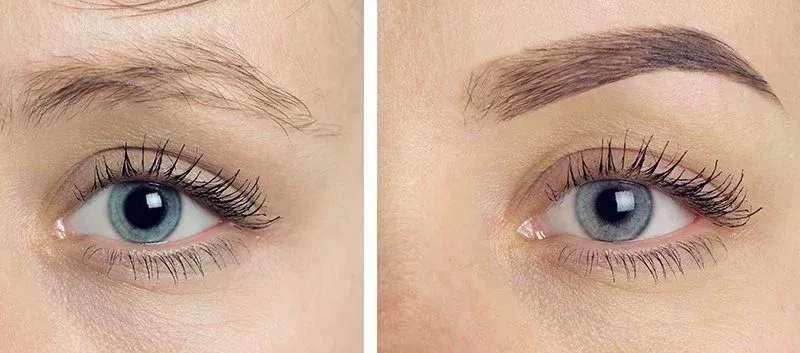
Our eyebrow transplant procedures are performed using the most effective techniques, DHI or Sapphire FUE. In the FUE method, resistant hair follicles are extracted individually from the nape area with fine punches and micro motors under local anesthesia and then transplanted to the eyebrow area. Shaving the entire nape area is unnecessary; only a 1-2 cm wide and 5-10 cm long horizontal strip is trimmed based on the number of grafts required.
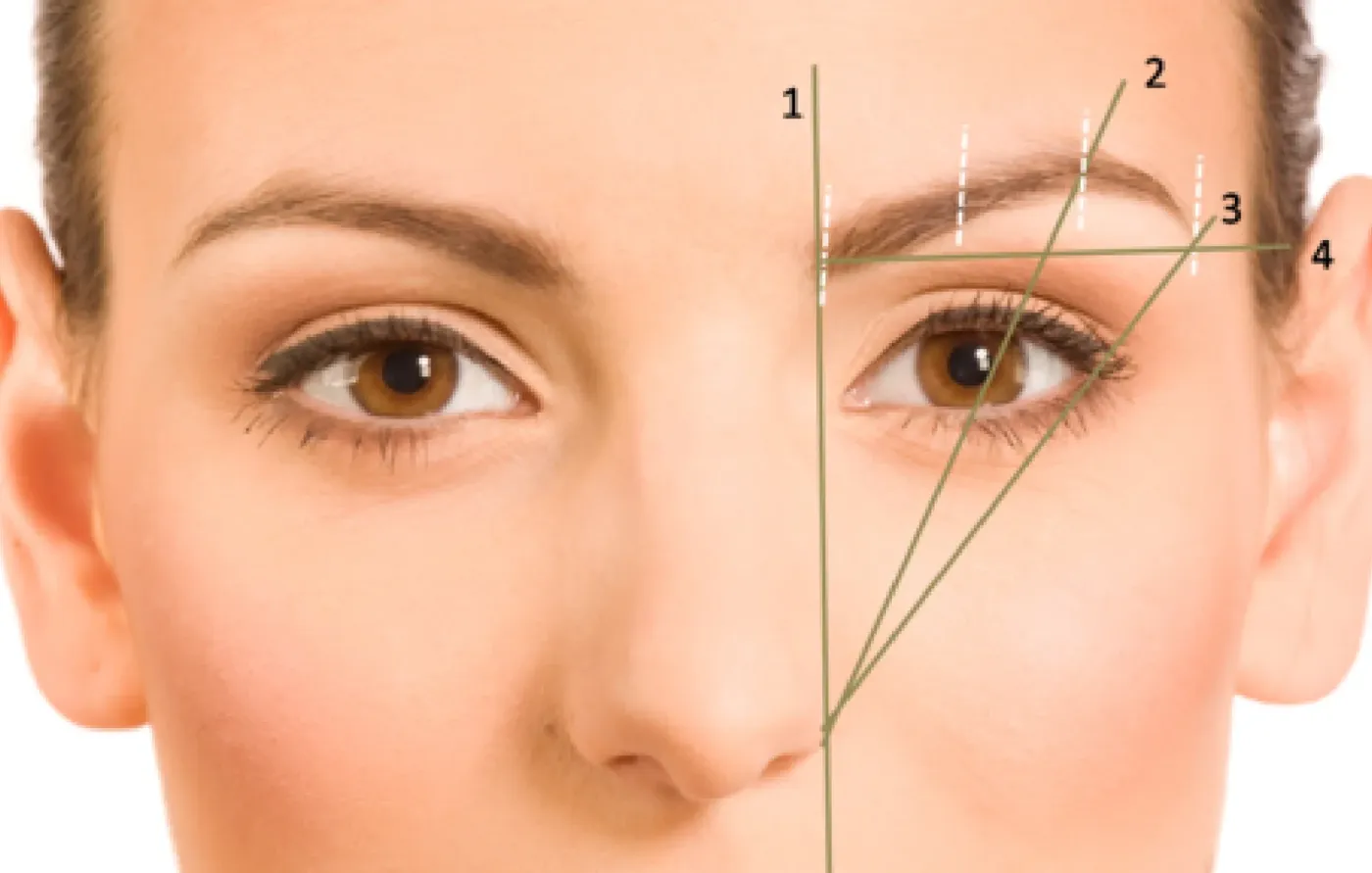
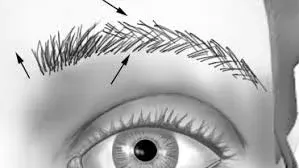
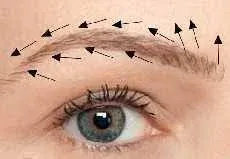
A natural look is the most important part of an eyebrow transplant. The eyebrows should start in line with the inner corner of the eyelids and extend a few millimeters beyond their outer edges. Within these anatomical limits, the eyebrow transplant is planned and performed according to the shape the patient wants as far as possible. The follicles taken from the nape, which are resistant to shedding, must be placed at a specific angle and direction. Anatomically, the hairs in the three parts of the eyebrow grow at different angles and in different directions: they emerge from the skin at an angle of about 10–15 degrees; at the inner part of the eyebrow they point upward, in the middle they run parallel to the ground, and at the outer part they point slightly downward. The angle and direction of the transplanted hairs are crucial, because the eyebrows are one of the most noticeable features of the face and even the smallest mistake can be very bothersome for the patient.
Eyebrow transplantation is a painless procedure completed under local anesthesia in 1-4 hours, depending on the extent of hair loss. Full natural regrowth and definition typically occur within 4-6 months following the procedure.
Let's find the right treatment for you
Send us your photos for a preliminary assessment.